Vacuum Gas Quenching Furnace: Working Principles and Advantage Analysis
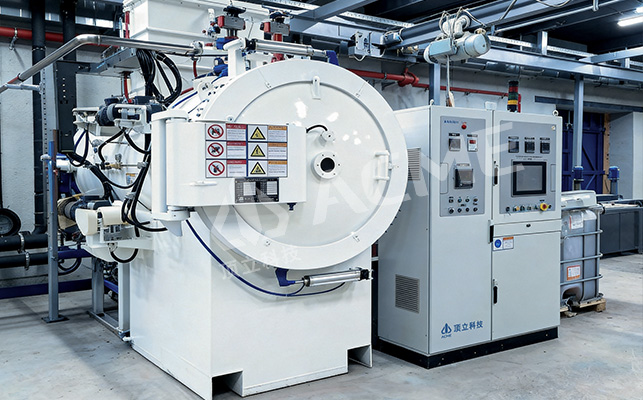
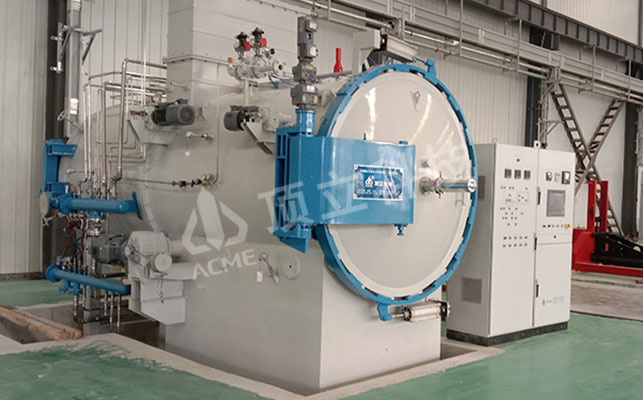
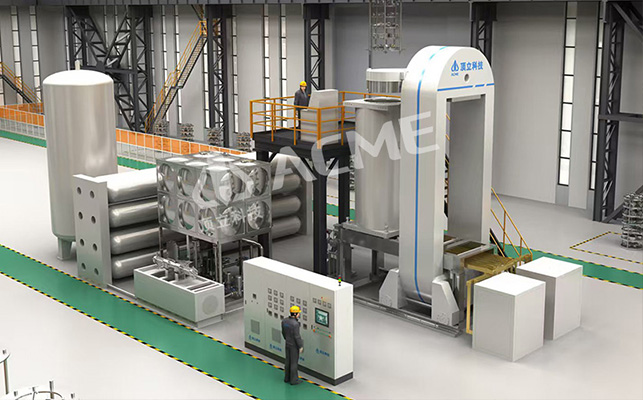
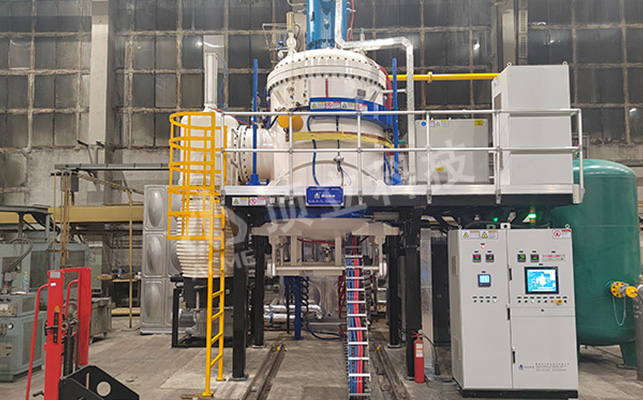
The vacuum gas quenching furnaceis a high-end precision metal heat treatment equipment used in mold processing, aerospace, and precision manufacturing. It primarily quenches and strengthens metal workpieces such as mold steel, stainless steel, and high-temperature alloys, enhancing their hardness, toughness, and wear resistance. Different from traditional water quenching and oil quenching equipment, its core process involves vacuum heating followed by inert gas cooling. This effectively addresses issues such as workpiece oxidation, decarburization, blackening, deformation, and cracking that occur in traditional heat treatment processes, making it suitable for the processing and production of various high-precision workpieces.
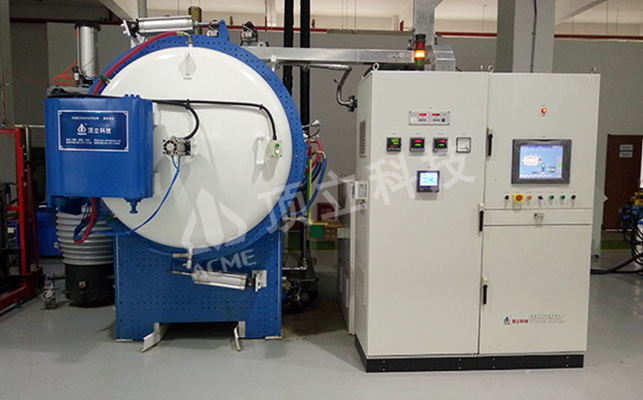
The equipmentoperatesa fully automatic closed-loop operation mode, featuring a simple and stable usageworkflow. During operation, itfirstlyextracts air,moisture, and impurities from the furnace chamber to create an oxygen-free and clean vacuum environment, effectively preventing high-temperature oxidation of the workpiece. Subsequently, it evenly heats and maintains the workpiece at a constant temperature, allowing the metal microstructure to undergo uniform reconstruction and ensuring consistent performance both inside and outside the workpiece. After the heat retention is completed, inert gases such as nitrogen and argon are injected to evenly remove the heat from the workpiece through high-speed convection, completing quenching and hardening. Once the workpiece cools down to the required temperature, the furnace chamber returns to normal pressure, and the finished product can be removed. The entire process runs automatically with minimal manual intervention.
Comparedwith conventionalquenching equipment,thevacuum gas quenching furnaces offer significant advantages.The vacuum processing environment ensures a smooth and flawless surface on the workpiece, eliminating the need for secondary processes such as grinding and polishing, effectively saving production costs. The controllable gas cooling method provides uniform temperature differences, significantly reducing the risk of deformation and cracking of the workpiece. It achieves high processing dimensional accuracy, suitable for complex and precise workpieces such as thin-walled and irregular shapes. Additionally, the equipment uses inert gas as the cooling medium, eliminating the emission of oil fumes and waste oil pollutants, and posing no fire hazards. It is environmentally friendly, safe, and energy-efficient, with a wide range of suitable materials, stable operation, and low failure rate. It can meet the large-scale production needs of enterprises for precision workpieces.
*AI-Assisted Writing Disclaimer: Artificial intelligence (AI) technology was used to assist in the generation of this article; the final content was revised and published by the author.