Understand vacuum oil quenching, gas quenching, and water quenching furnaces in one article
Vacuum heat treatment relies on vacuum heating combined with medium cooling. The core difference among oil quenching, gas quenching, and water quenching furnaces lies in the cooling medium, which adapts to different processing needs.
1. Working principle
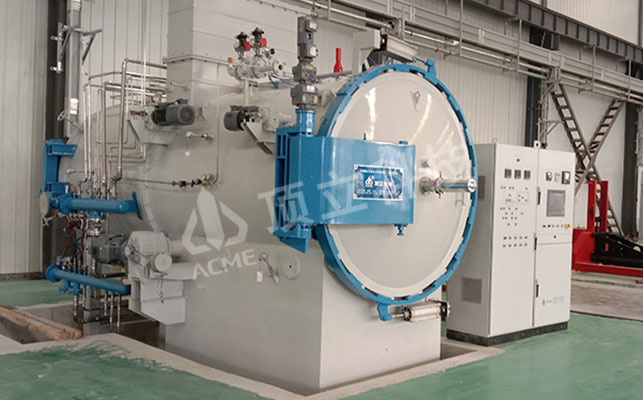
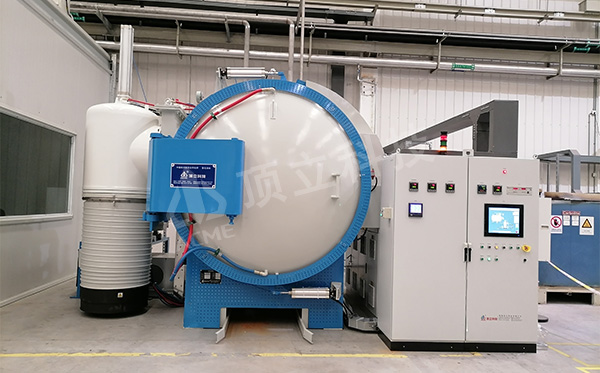
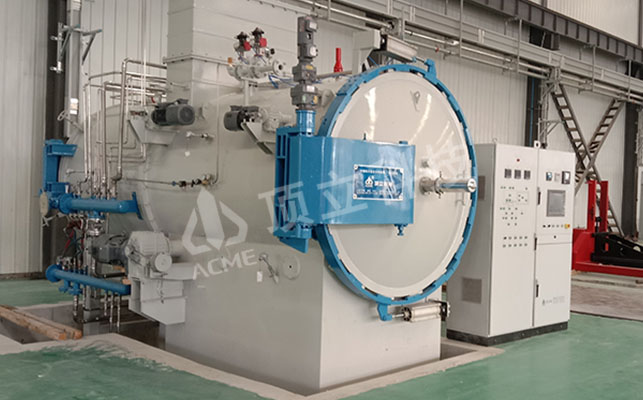
(1)Vacuum oil quenching furnace: It features a dual-chamber structure. After being heated in vacuum, the workpiece is transferred to the oil bath and cooled by specialized quenching oil. The cooling rate is medium to fast, ensuring no oxygenation or oxidation.
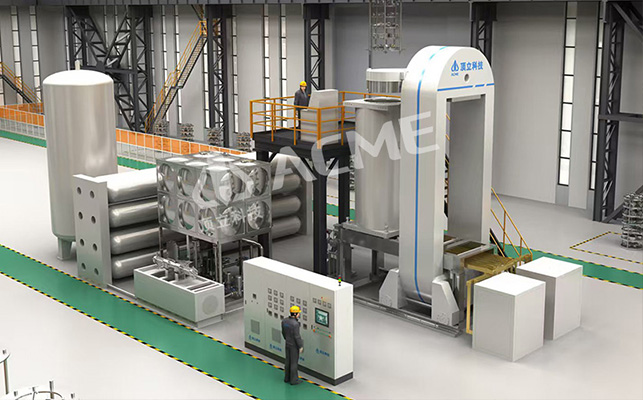
(2)Vacuum gas quenching furnace:Single/double-chamber structure, featuring nitrogen, argon, and other high-pressure inert gas circulation convection cooling, with precisely adjustable cooling rate.
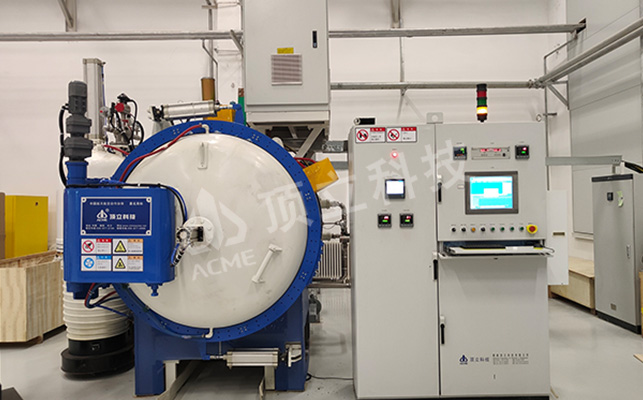
(3)Vacuum water quenching furnace: dual-chamber structure, using water/water-based solution for cooling, with the fastest cooling rate among the three, but high thermal stress and high equipment sealing standards.
II. Core Advantages and Disadvantages
Oil quenching furnace: stable hardening, suitable for low-hardenability steel, high cost-effectiveness; produces waste oil, general environmental friendliness.
Gas quenching furnace: minimal workpiece deformation, clean and no waste liquid, adjustable process; high acquisition cost of high-pressure equipment.
Water quenching furnace: rapid cooling, capable of achieving the ultimate strength of materials; high cooling stress, prone to cracking of workpieces, narrow range of applicability.
III. Applicable Materials and Scenarios
1. Oil quenching furnace: H13, Cr12MoV mold steel, high-speed steel, bearing steel, gears; used for batch heat treatment of stamping dies, cutting tools, and automotive parts.
2. Gas quenching furnace: stainless steel, titanium alloy, high-temperature alloy, precision high alloy; aviation blades, medical equipment, new energy precision parts.
3. Water quenching furnace: TC4 titanium alloy, beryllium bronze, ultra-high strength steel, aluminum alloy; aviation special components, small batch trial production of new materials.
IV. Selection Guide
1. For low hardenability steel and large-scale cost control, choose oil quenching;
2. For complex thin-walled precision parts and high environmental standards: choose gas quenching;
3. Titanium alloys and special alloys require rapid cooling: opt for water quenching.
There is no absolute superiority or inferiority among the three types of equipment. They can be matched based on the requirements of materials, workpiece structure, precision, productivity, and environmental protection.
*AI-Assisted Writing Disclaimer: Artificial intelligence (AI) technology was used to assist in the generation of this article; the final content was revised and published by the author.