A Technical Overview to know About Hot Isostatic Pressing Equipment
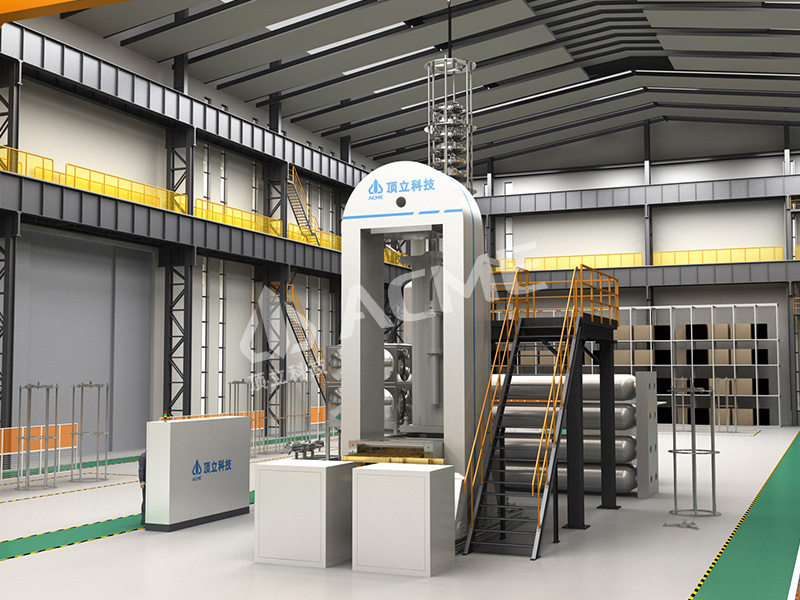
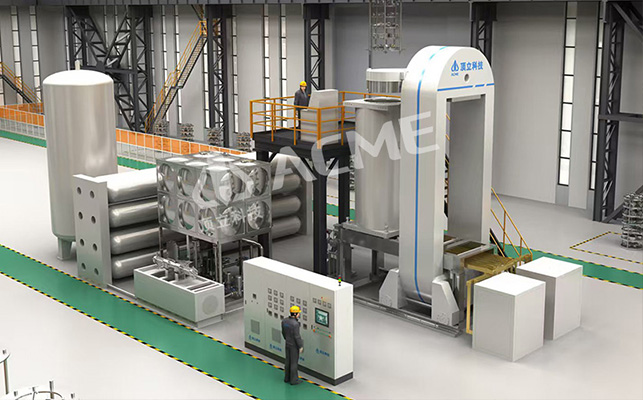
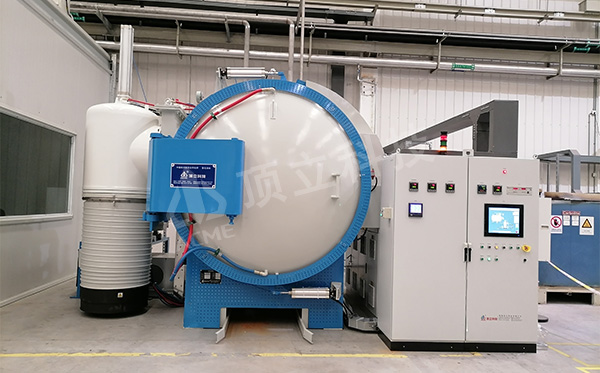
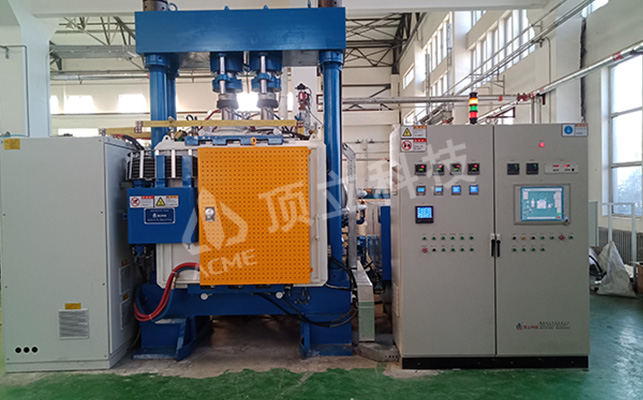
Ahot isostatic pressing (HIP) furnaceis aprecisethermal processing equipmentused in the field of advanced materials fabrication. Utilizing an inert gas as the pressure-transmitting medium, it simultaneously applies high temperatures and uniform, all-directional high pressure within a sealed chamber. It is specifically designed for pore closure, microcrack repair, and overall densification of metals, ceramics, and composite materials. Unlike traditional sintering and hot-pressing equipment, it centers on a synergistic “high-temperature + isostatic pressure” process, enabling precise control of material microstructures across a wide range oftemperatureandpressure. It effectively addresses common defects in 3D-printed parts, castings, and powder green bodies—such as shrinkage voids, porosity, and microcracks—making itanessential equipment for the mass production of high-performance materials in aerospace, nuclear power, medical, and high-end automotive manufacturing.
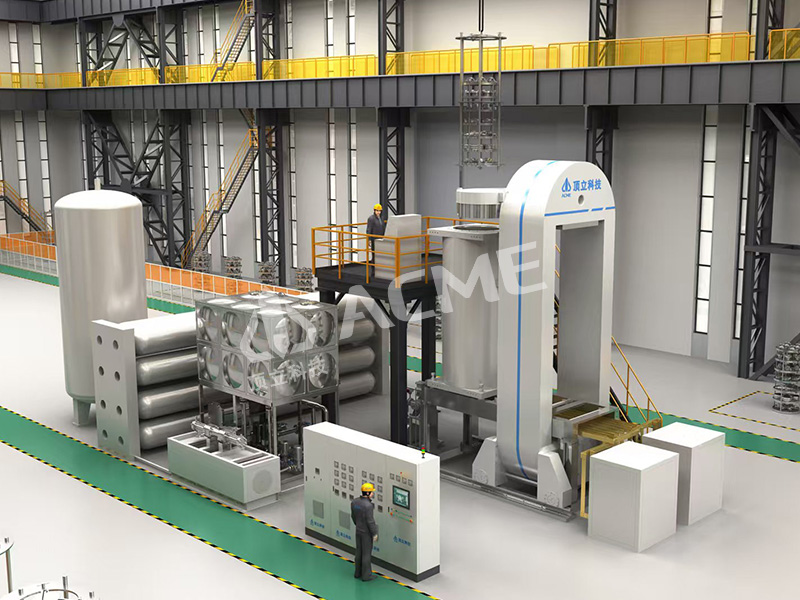
The core operating principle of the equipment is to reshape the material structure at the microscopic level, relying on three key mechanisms—omnidirectional isostatic pressing, high-temperature activation, and atomic diffusion—to achieve defect-free reconstruction. Using high-purity inert gas as the pressure-transmitting medium, the pressure uniformly envelops the workpiece surface, ensuring comprehensive and uniform pressure distribution, thereby completely eliminating issues such as density inhomogeneity and stress concentration caused by traditional unidirectional pressing; Under suitable high-temperature conditions, the material’s yield strength is reduced while its plastic deformation capacity is enhanced, allowing internal pores and microcracks to gradually close and heal under high pressure; simultaneously, the combined effect of high temperature and pressure accelerates atomic diffusion and migration, forming strong metallurgical bonds at pore interfaces. This brings the workpiece close to a theoretically fullydensifiedstate, enabling densification processing at lower temperatures, effectively preventing grain coarsening, and preserving the material’s excellent mechanical properties.
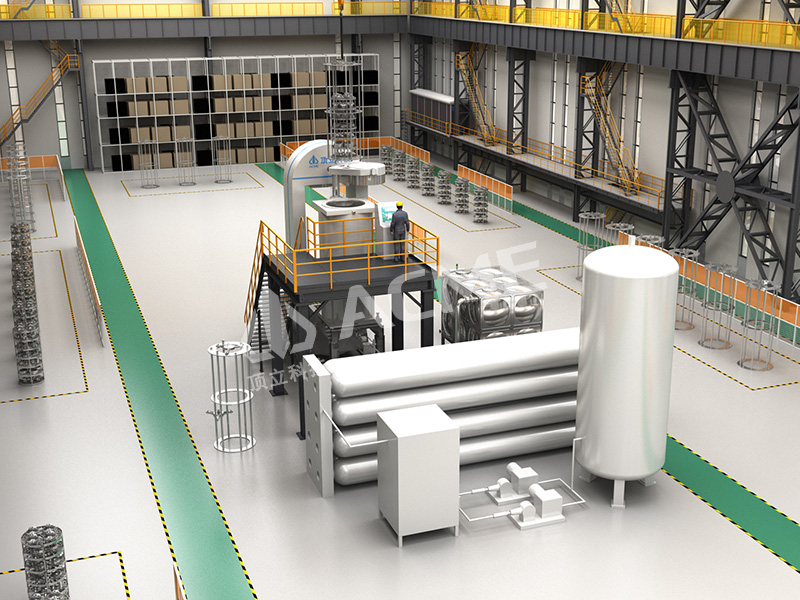
Theworkingprocesflowof a hot isostatic pressing furnace is standardized and controllable. During operation, the workpiece is first clamped and sealed, and water vapor and impurity gases are removed through high-vacuum pumping to prevent high-temperature oxidation; Subsequently, high-purity inert gas is introduced, and temperature and pressure are increased simultaneously and gradually to prevent cracking or deformation caused by sudden parameter changes; the workpiece is held at the set temperature and pressure for an extended period to allow for full creep, diffusion, and densification of the material; finally, controlled gradient cooling and pressure reduction are applied for smooth unloading. The entire process is stable and highly repeatable. Workpieces treated by hot isostatic pressing (HIP) exhibit a significant improvement in overall performance. Material density can reach over 99.8%, with comprehensive enhancements in tensile strength, wear resistance, and corrosion resistance. The internal structure is uniform and dense, free of hidden defects, and fatigue life can be increased by tens to hundreds of times, greatly reducing the failure rate of critical components in high-end equipment. The equipment offers exceptional material compatibility, capable of processing high-temperature alloys, titanium alloys, refractory metals, structural ceramics, and various composite materials. It is widely used for dense forming in powder metallurgy, defect repair in castings, and composite joining of dissimilar materials.
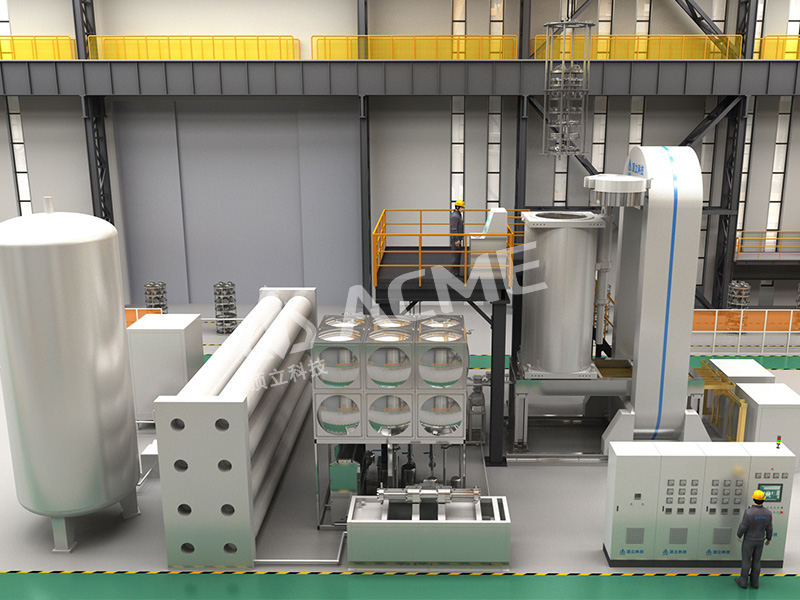
Currently, this equipment is extensively applied across major high-end sectors: in aerospace for enhancing the quality and strength of engine turbine discs, titanium alloy casings, and 3D-printed structural components; in the nuclear power industry for densification treatment of reactor components and nuclear fuel cladding, enhancing radiation resistance and corrosion resistance; in the automotive sector to optimize the strength and stability of turbocharger alloy components; and in the medical industry for the fabrication of high-density ceramics and titanium alloy implants, ensuring product mechanical performance and biocompatibility. It continues to enhance quality and efficiency in high-end precision manufacturing while pushing the boundaries of material performance.