Understand aluminum nitride vacuum sintering furnace in one article
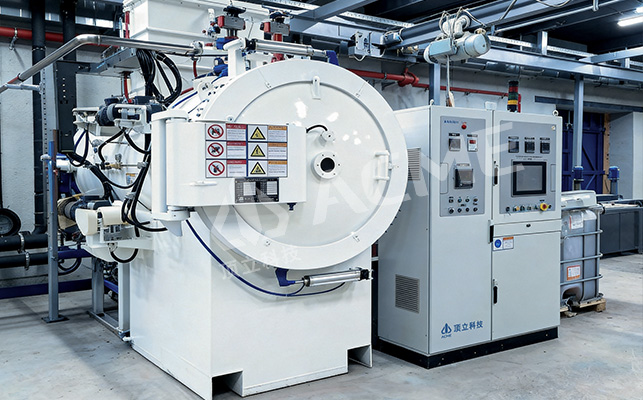
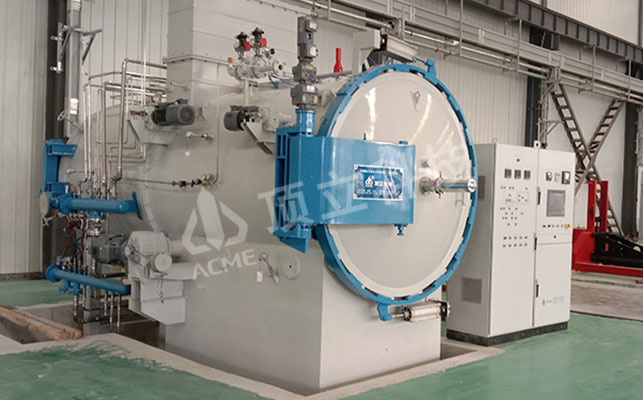
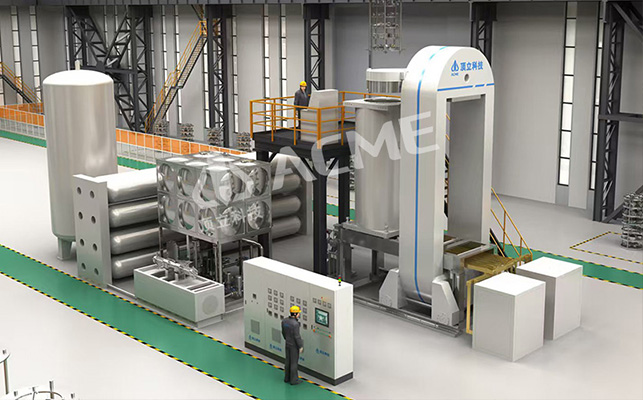
Thealuminum nitride vacuum sintering furnaceis a specialized precision heat treatment equipment suitable for high-end ceramic preparation.
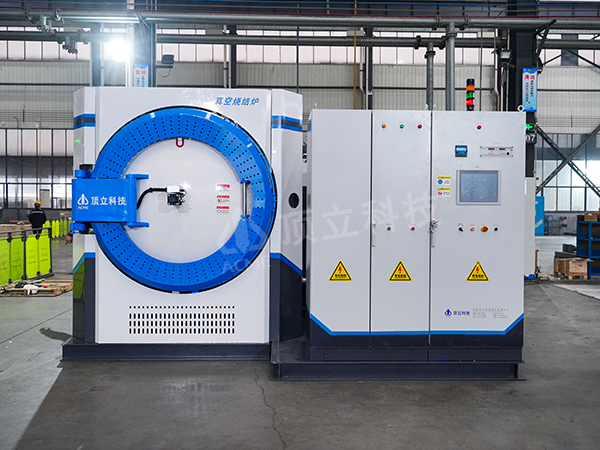
It is primarily developed for the sintering characteristics of aluminum nitride ceramics, which are prone to oxidation and high densification. By utilizing a vacuum oxygen-free environment combined with precise temperature control technology, it effectively addresses the pain points of traditional sintering processes, such as workpiece oxidation, pore residue, coarse grain size, and insufficient purity. It can stably produce high-quality aluminum nitride ceramic products with high thermal conductivity, high insulation, and high temperature resistance, which are widely used in high-end fields such as semiconductors, electronic communications, aerospace, and new energy. It is a core supporting equipment for the third-generation semiconductor and 5G industry upgrades.
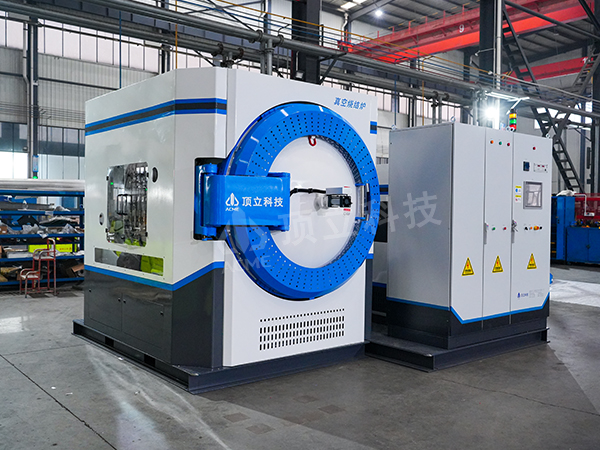
The operation of the equipment relies on the synergistic principle of vacuum protection, precise temperature control, and densification molding, ensuring full process controllability, stability, and efficiency. During operation, the vacuum system first removes air, water vapor, and impurities from the furnace chamber, creating a clean environment with extremely low oxygen partial pressure. This fundamentally inhibits the high-temperature oxidation of aluminum nitride, ensuring material purity and thermal conductivity. Subsequently, a gradient temperature rise mode is adopted, coupled with high-precision temperature measurement and uniform heating components, to avoid cracking of the green body due to temperature rise and ensure uniform temperature inside the furnace. After reaching the critical sintering temperature, continuous heat preservation is maintained under high vacuum conditions, promoting the diffusion and recombination of ceramic particles to fill internal voids and achieve high densification of the green body. Finally, a gradient cooling process is used to release internal stress in the material, preventing deformation and cracking of the product, and ensuring stable product dimensions and performance. Compared to traditional sintering equipment, this equipment has outstanding advantages. Its precise oxygen control technology can eliminate material oxidation pollution, effectively improving the purity and densification of ceramic products.
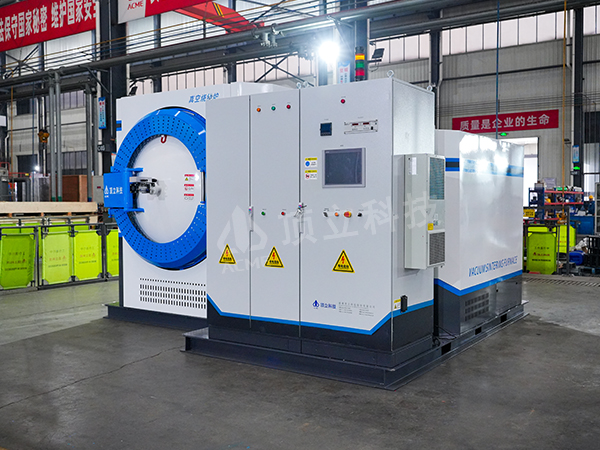
The uniform temperature control system can precisely customize the temperature rise and fall curves, ensuring strong consistency in performance and low reject rates in mass production. The equipment has a high degree of automation, short production cycles, lower energy consumption, supports process data traceability, is suitable for large-scale mass production, and has strong compatibility. In addition to degreasing and sintering of aluminum nitride ceramics, it can also meet the heat treatment needs of high-temperature ceramics such as silicon nitride and silicon carbide, as well as some metal materials. Currently, the equipment is mainly used for the preparation of semiconductor ceramic substrates, LED heat dissipation substrates, precision electronic insulation components, and high-temperature ceramic components for aerospace applications. It is also suitable for the research and production of new energy and cutting-edge new materials. With its high precision and stability in sintering, it continues to assist the high-end ceramic industry in improving quality and efficiency, and upgrading technology.
*AI-Assisted Writing Disclaimer: Artificial intelligence (AI) technology was used to assist in the generation of this article; the final content was revised and published by the author.