Brief Explanation of Ordinary Heat Treatment and Vacuum Heat Treatment
Both heat treatments rely on heating, holding, and cooling to alter the internal structure of metals, thereby optimizing their mechanical properties. The core difference lies in the processing environment, and there is no absolute superiority or inferiority; it simply depends on the specific needs.
1. Basic definitions
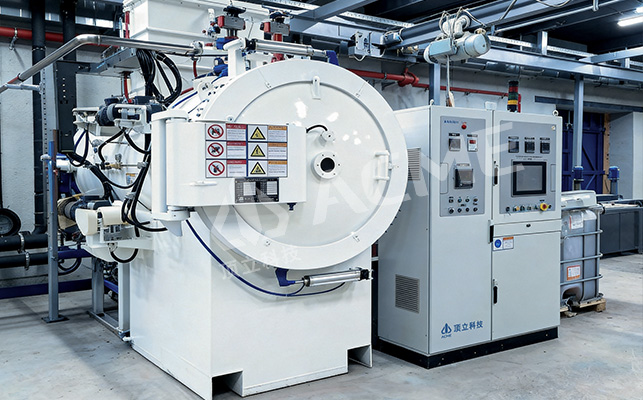
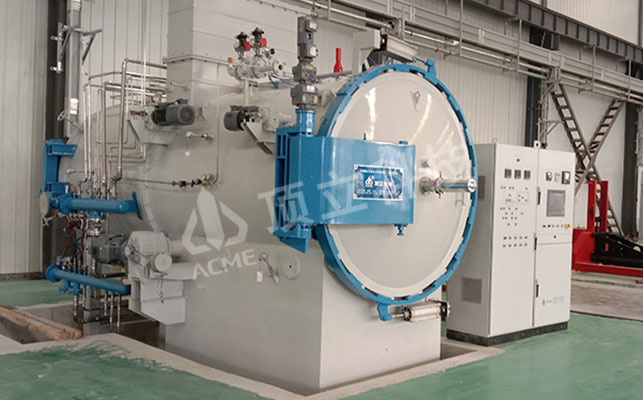
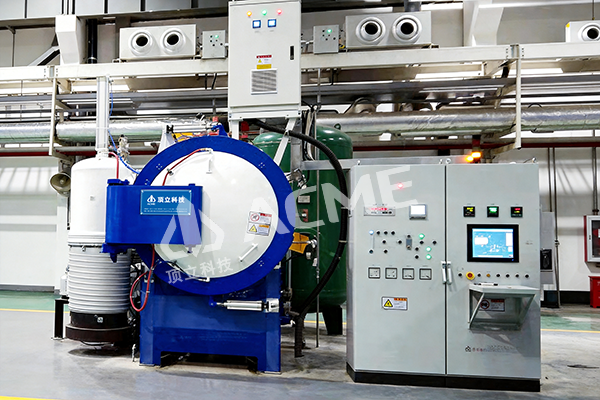
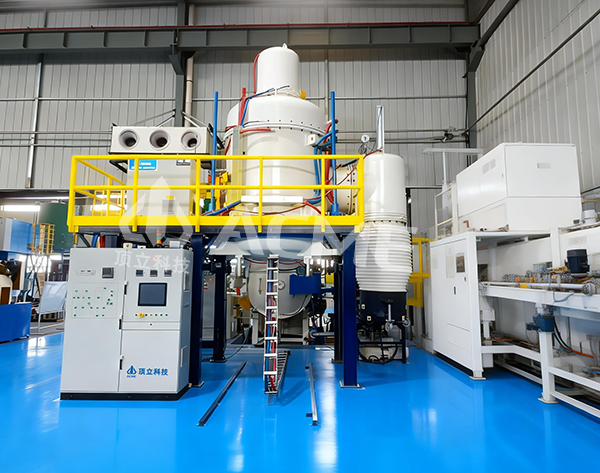
Ordinary heat treatment is a traditional process that completes processes such as annealing, quenching, and tempering in natural atmosphere. It requires simple equipment and has a low entry threshold, making it the most widely used in industrial applications. Vacuum heat treatment involves placing the workpiece in a closed low-pressure vacuum furnace for processing, isolating it from the air. The equipment is precise, and temperature control and vacuum degree parameters are strictly controlled, making it suitable for high-end precision processing.
II. Five core differences
1. Processing environment: Workpieces undergoing ordinary heat treatment come into direct contact with air, making them prone to oxidation. In a vacuum environment, oxygen is isolated, thereby preventing oxidation and decarburization from occurring in the first place.
2. Process operation: The ordinary heat treatment process is simple and labor costs are low; vacuum heat treatment cooling includes gas quenching and oil quenching, and vacuum carburizing can also be performed, making the debugging more complex and requiring professional personnel for operation.
3. Finished product effect: The surface of the parts processed in an atmosphere will generate oxidized black skin, with general uniformity in hardness, requiring subsequent grinding and acid pickling; after vacuum treatment, the surface of the workpiece is smooth and free of oxidation, capable of removing internal metal impurities, and exhibits superior hardness, fatigue life, and dimensional stability, allowing direct progression to the next process.
4. Applicable workpieces: Conventional components such as ordinary heat-treated adapter screws, agricultural machinery parts, and ordinary steel materials that do not have high requirements for precision and surface quality; vacuum heat treatment is mostly used for aviation structural components, precision mold tools, titanium alloys, silicon steel sheets, and other parts that are prone to oxidation, require high precision, and have long service life.
5. Production Cost: Ordinary heat treatment equipment is inexpensive, with low overall processing costs; vacuum furnaces have higher acquisition and operation and maintenance costs, but they eliminate the rust removal and polishing processes, making high-end workpieces more cost-effective in the long run.
III. Key points to avoid pitfalls
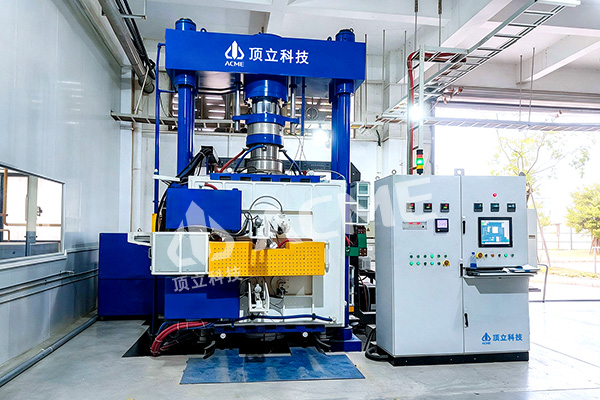
Three common misconceptions:Vacuum heat treatmentis not a universal solution; Standardized ordinary heat treatment can meet the needs of most general-purpose components; Both processes can cause deformation, but vacuum heat treatment results in less deformation and easier control.
Selection Summary
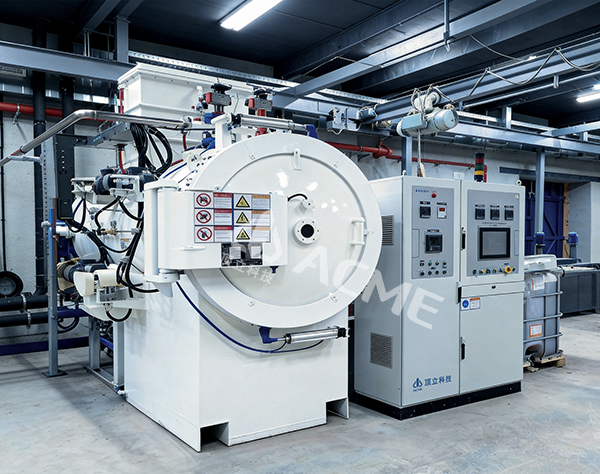
When pursuing low cost and processing ordinary parts, ordinary heat treatment is chosen; when high requirements are placed on part accuracy, surface quality, service life, or when the material is prone to oxidation, vacuum heat treatment is selected. Regardless of the process, standardized operation and reliable processing manufacturers are the key to ensuring the quality of finished products.