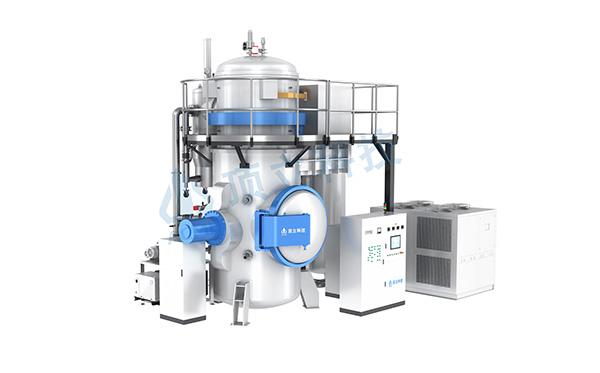
Analysis of the Working Principle and Advantages of Hot Isostatic Pressing Furnaces
Hot isostatic pressing furnaces are critical equipment for high-end material preparation and post-processing, widely used in aerospace, nuclear power, medical devices, and other fields. They rely on the synergistic effects of high temperature and uniform high pressure to achieve material densification, with fully automated control throughout the process. The process occurs in three stages: First, materials are encapsulated, evacuated, and placed into the furnace's high-pressure vessel. Then, the temperature is simultaneously raised above the material's recrystallization point while argon gas is introduced to apply uniform pressure. Finally, the material is held at temperature and pressure to close defects and bond particles before being slowly cooled and depressurized to complete processing.
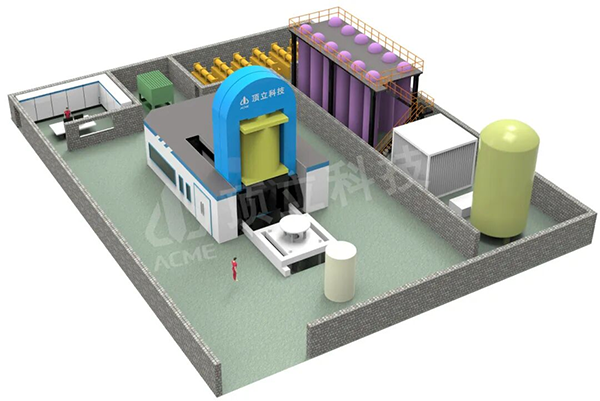
This equipment offers significant advantages over traditional methods: it substantially enhances material density to near theoretical limits, optimizes mechanical properties, ensures uniform pressure distribution for isotropic material performance, accommodates complex components, supports diverse materials like metals and ceramics, repairs casting defects, enables near-net-shape powder sintering, and delivers high automation for efficient processing while reducing material waste and follow-up costs.
Furthermore, it plays a vital role in post-processing for additive manufacturing and other applications, making it indispensable equipment in high-end manufacturing.
*AI-Assisted Writing Disclaimer: Artificial intelligence (AI) technology was used to assist in the generation of this article; the final content was revised and published by the author.