What types of vacuum heat treatment furnaces are available? What are their main applications?
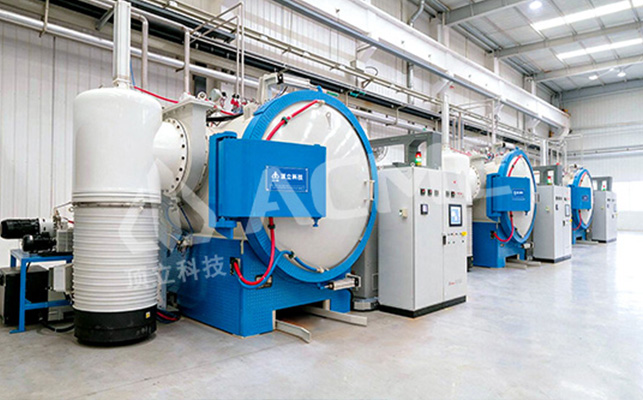
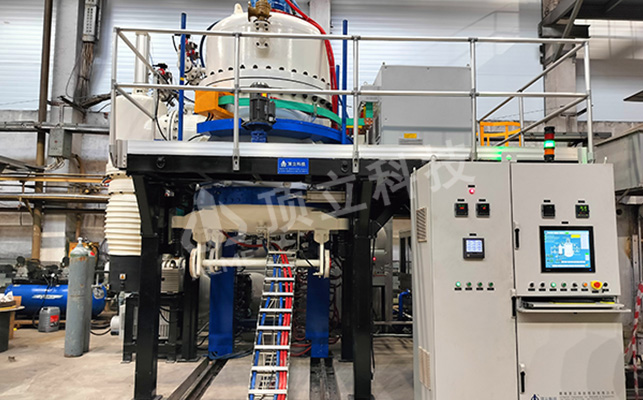
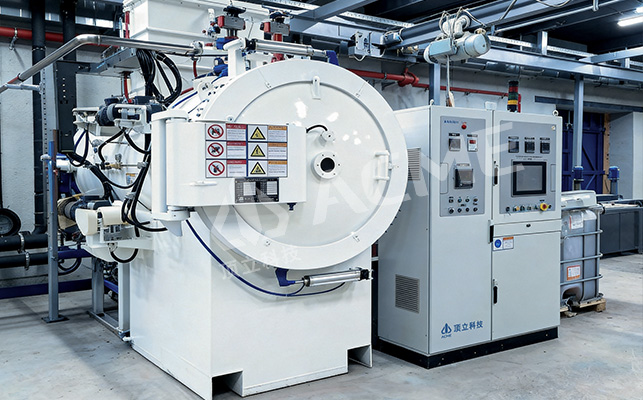
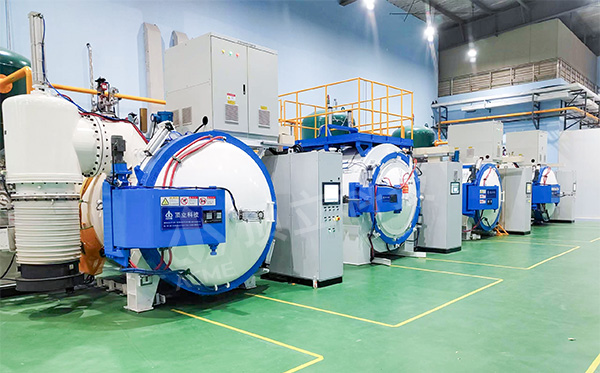
Vacuum heat treatment furnacesare equipment that processes materials thermally under vacuum conditions. Their core advantage lies in preventing material oxidation and decarburization while optimizing material properties, making them essential equipment for modern precision manufacturing. Based on core functions, four main types dominate industrial applications: Vacuum quenching furnaces are the most widely used, enhancing material hardness and wear resistance while accommodating various metals;Vacuum annealing furnaceseliminate internal stresses and improve toughness, suitable for stainless steel, magnetic materials, and more; Vacuum brazing furnaces achieve damage-free connections for precision components with excellent sealing and bonding.
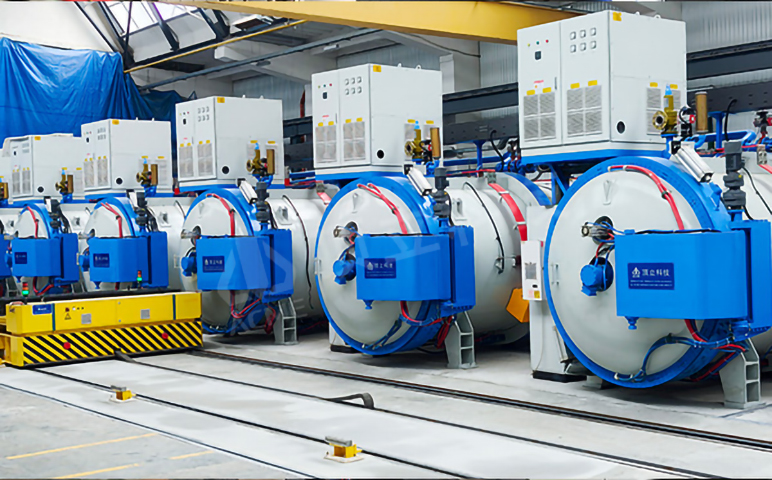
Vacuum carburizing furnacesimpart hard exteriors with resilient interiors, primarily treating wear-resistant components like gears. Their applicationscovercore sectors including aerospace, automotive manufacturing, electronics/semiconductors, and medical devices. They meet stringent requirements for high-end component performance, automotive part durability, precision component cleanliness, and medical material biocompatibility. Additionally, they accommodate diverse processing needs in metallurgy, new energy, and other fields. Across industries, the vacuum environment advantage enhances product quality and service life.
*AI-Assisted Writing Disclaimer: Artificial intelligence (AI) technology was used to assist in the generation of this article; the final content was revised and published by the author.