Principle, advantages and applications of vacuum gas quenching furnace
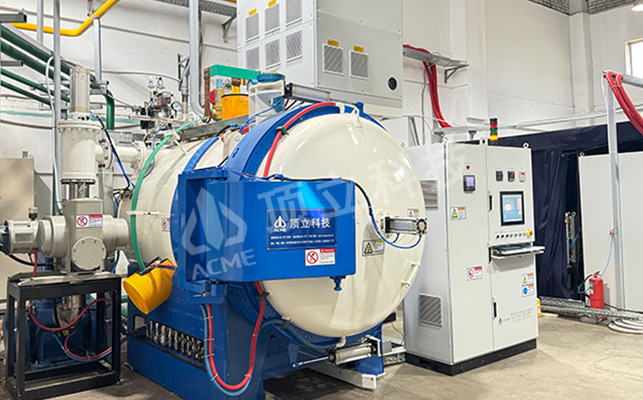
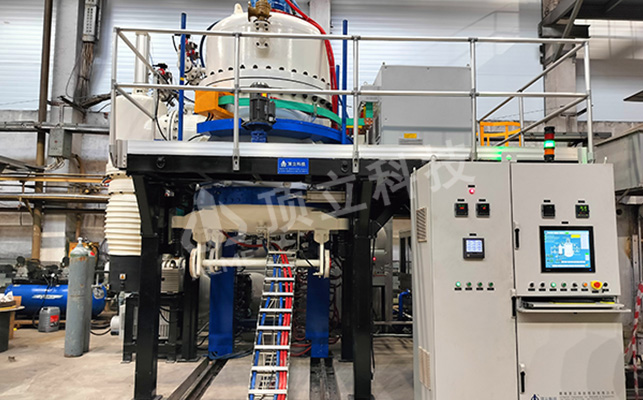
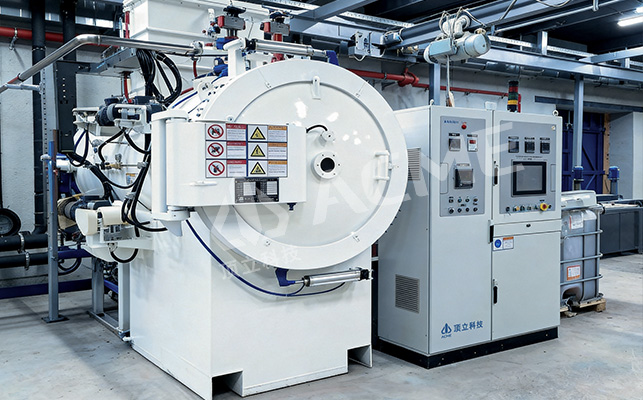
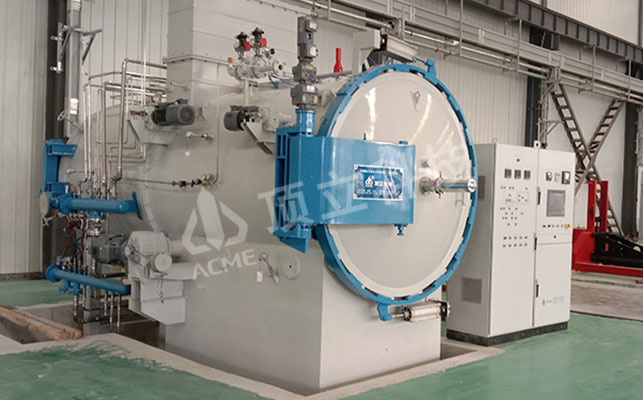
Thevacuum gas quenching furnaceis the core equipment for vacuum heat treatment. After vacuum heating, it ispurgehigh-pressure nitrogen/argon gas for forced gas cooling quenching, which solves the problems of oxidation, deformation, and pollution caused by traditional oil/water quenching.
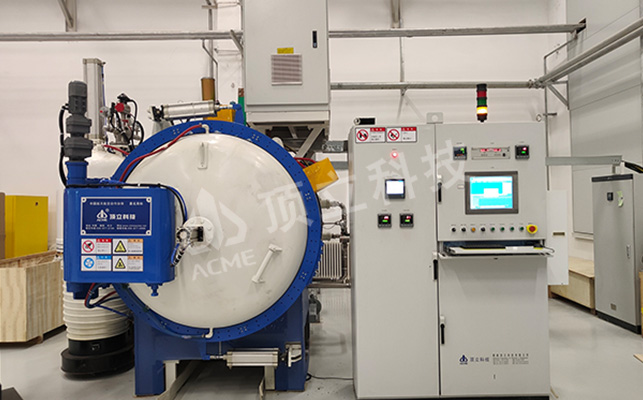
The workpiece is vacuumed and isolated from oxygen in the furnace → segmented heating and insulation are used to complete tissue transformation → high-pressure inert gas is used for all-round cooling → discharged from the furnace. Fullyautomated,withcontrollableparameters.
2、Core advantages
1) Vacuum oxidation free decarburization, the surface of the workpiece is bright, eliminating the need for acid washing and polishing processes;
2) Uniform airflow cooling, low thermal stress, and significantly reduced deformation of precision parts;
3) No quenching oil waste liquid, oil fume, green and safe; Adjustable cooling pressure, suitable for various metals.
3、Suitable materials
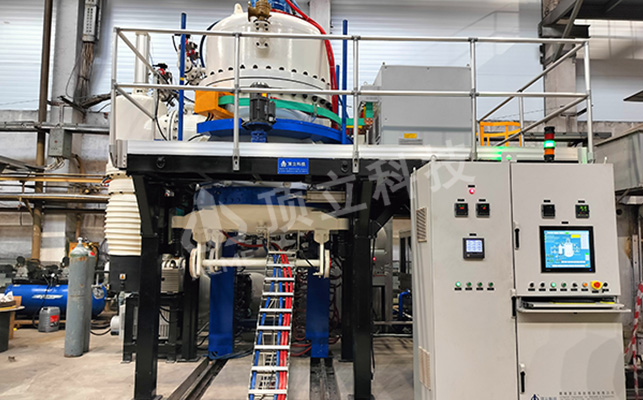
Mold steel, high-speed steel, martensitic stainless steel, nickel based high-temperature alloys, titanium alloys, 3D printed metal parts, hard alloys.
4、Application industry
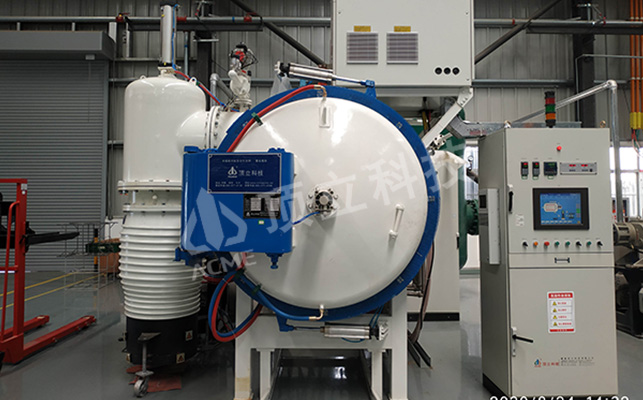
1). Mold manufacturing: injection molding, die-casting, stamping dies to improve hardness and service life;
2). Aviation and military industry: precision transmission components for engines to ensure uniform and stable organization;
3). Precision machinery and medical equipment: gears, measuring tools, medical stainless steel parts;
4). New energy and material research and development: automotive power components, experimental heat treatment of new materials. The vacuum gas quenching furnace balances precision, surface quality, and environmental protection, and is a standard heat treatment equipment for high-end manufacturing.